East Point Neighborhood Guide: Water Damage Risks by Area
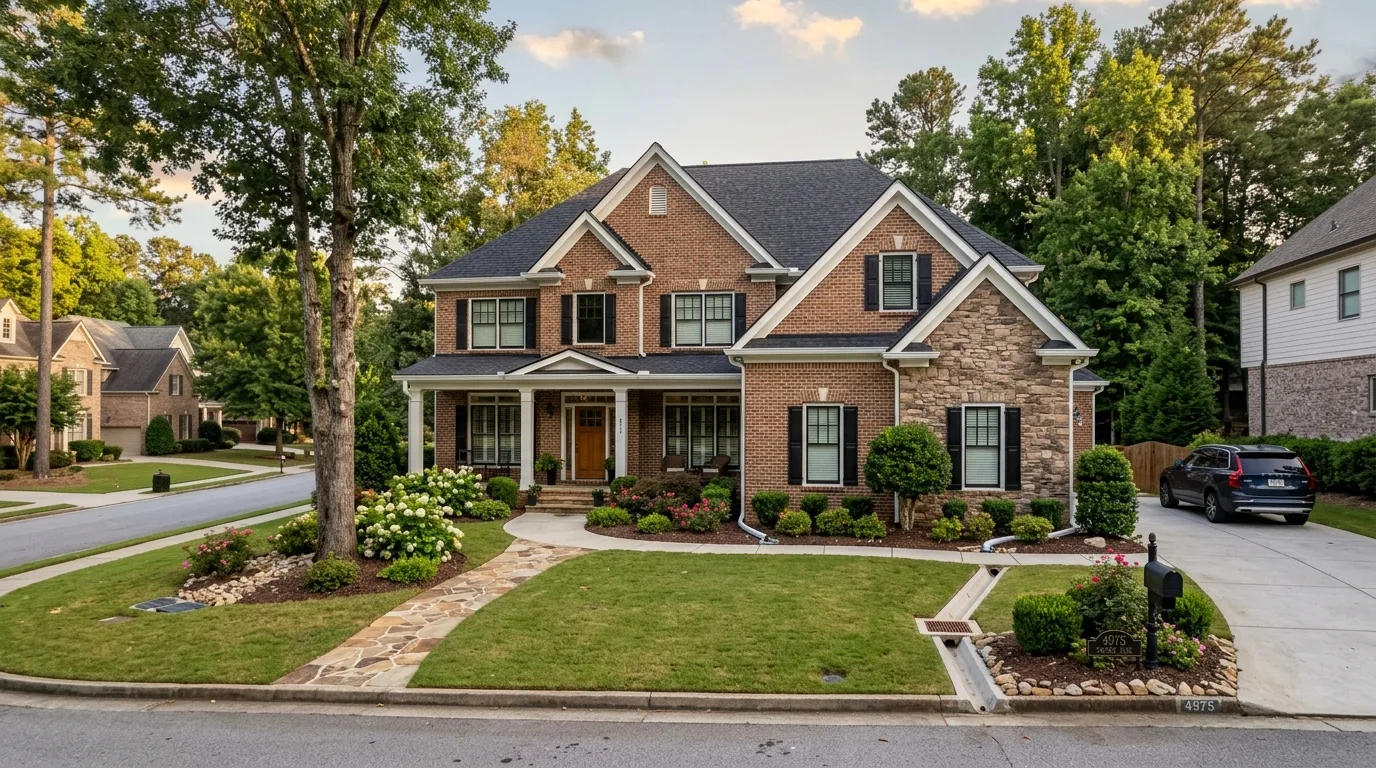
Not all East Point neighborhoods carry equal water damage risk. The combination of housing construction era, drainage infrastructure age, elevation, soil conditions, and proximity to drainage features creates a risk landscape that varies meaningfully from one neighborhood to the next. A homeowner buying a craftsman bungalow in Colonial Hills is taking on very different water risk than someone buying a newer home in Center Park — even if both properties are in East Point. This post breaks down the key water damage risks in each major East Point neighborhood so homeowners can understand what they’re dealing with and prepare accordingly. In this post, we cover neighborhood-by-neighborhood risk profiles, the common water damage sources in each area, and local prevention priorities.
Water Damage Assessment in Your East Point Neighborhood?
IICRC-certified inspection and restoration across East Point and Fulton County. Call (877) 698-1311.
Why Neighborhood Matters for Water Damage Risk in East Point
East Point’s water damage risk profile is shaped by two dominant factors that vary geographically across the city: housing construction era and local drainage. Older homes carry older plumbing systems, older foundations without modern waterproofing, and construction techniques that predate current drainage standards. Neighborhoods closer to natural drainage features — creeks, low-lying areas, and drainage easements — carry additional flood risk that newer development in higher-elevation areas doesn’t face.
East Point’s expansive Fulton County red clay soil is relatively uniform throughout the city, so the foundation-crack and moisture-intrusion risk from clay movement applies broadly — but the degree to which individual properties have functional drainage systems and modern waterproofing determines how much of that risk materializes into actual water damage. The neighborhood profiles below reflect patterns seen in restoration calls across East Point over time.
Cherry Blossom: Historic Homes with High Intrusion Risk
Cherry Blossom is East Point’s historic downtown area, featuring ranch and colonial homes that average around $281,000 in value. The housing stock here is among the oldest in the city — many homes were built in the 1930s–1950s, before modern drainage engineering and foundation waterproofing were standard. This neighborhood represents one of the higher water damage risk profiles in East Point.
Primary risks: Foundation water intrusion through cracks opened by decades of red clay expansion-contraction cycles. Older galvanized steel plumbing that has reached or exceeded its service life, creating chronic slow leak risk. Drainage systems that were designed for the residential density and rainfall intensities of the early 20th century, not East Point’s current storm patterns.
Water damage types most common: Foundation water intrusion after heavy rain, slow pipe leak discovery during renovation, and roof leak damage in older framing systems. Dehumidification requirements in Cherry Blossom homes tend to run longer than newer construction because of older insulation materials that hold moisture.
Colonial Hills: Craftsman Bungalows and Crawlspace Vulnerability
Colonial Hills is known for craftsman bungalows built from the 1930s–1950s, many of which feature crawlspace foundations rather than full basements or slabs. Unity Park anchors the neighborhood near its center. The crawlspace construction that defines this neighborhood’s housing stock is one of the most challenging water damage scenarios in East Point.
Primary risks: Unencapsulated crawlspaces exposed to Georgia ground moisture and the humidity migration from red clay soil. Crawlspace mold developing year-round without any specific water intrusion event. Burst pipe risk in older copper and galvanized pipes routed through unconditioned crawlspace spaces. Floor joist and subfloor sheathing rot driven by chronic moisture exposure.
Water damage types most common: Crawlspace mold discovery during home inspections, floor softness and subfloor replacement from chronic moisture exposure, and burst pipe events during December–February freeze-thaw cycles. Colonial Hills properties are among the most likely in East Point to require crawlspace encapsulation alongside water damage restoration to prevent recurrence.
Water Damage in Colonial Hills or Cherry Blossom?
We understand East Point's older housing stock and restore correctly the first time. Call (877) 698-1311.
DeLowe-Connally: Nature Park Proximity and Drainage Complexity
DeLowe-Connally is located near Connally Nature Park and Sumner Park — natural features that create both the neighborhood’s character and its drainage complexity. Proximity to natural green spaces and drainage corridors increases groundwater pressure during heavy rain events, and some properties in this neighborhood sit on terrain that channels stormwater toward foundations rather than away.
Primary risks: Groundwater pressure against foundation walls during and after heavy rain events, driven by both clay soil saturation and the proximity to natural drainage areas. Stormwater entry through window wells, foundation cracks, or below-grade entry points during flash flooding. The MARTA proximity in parts of this neighborhood creates additional impervious surface that affects local drainage behavior.
Water damage types most common: Flash flood intrusion during spring and summer storm events, basement flooding when sump pumps can’t handle peak stormwater volume, and roof leak damage from aging roofing systems on mid-century homes.
Center Park: Mixed Vintage and New Construction
Center Park features a mix of vintage and newer homes near Main Street and several local parks. This mixed construction era means water damage risk profiles vary property by property — a newer construction home in Center Park may have modern drainage engineering and updated plumbing, while a neighboring older home has neither.
Primary risks: For older homes, the standard East Point pattern of clay soil intrusion, aging plumbing, and crawlspace moisture applies. Newer homes in Center Park generally carry lower water damage risk but are not immune — HVAC condensate overflow, appliance failures, and storm-related roof leaks affect all construction eras.
Water damage types most common: HVAC condensate overflow in summer months (common across all East Point construction ages), appliance failures in renovated older homes where new appliances were connected to aging supply lines, and roof leak damage from inadequate maintenance.
Conley Hills: Cape Cods and Bungalows Near Dick Lane Velodrome
Conley Hills is a neighborhood of Cape Cod, bungalow, and ranch homes located near Dick Lane Velodrome — Georgia’s only velodrome and a landmark that anchors the eastern part of this neighborhood. Like other mid-century neighborhoods in East Point, Conley Hills carries aging housing stock risk.
Primary risks: Older slab and crawlspace foundations with red clay expansion-related cracks. Plumbing systems in the range of 50–70 years old approaching or past service life. Roofing systems on homes that may not have been updated since original construction.
Water damage types most common: Slab leak discovery (difficult to detect, often presents as warm spots on floor or unexplained water bill increases), burst pipe events in winter, and roof leak damage. Slab leaks are particularly challenging in Conley Hills because the mid-century slab construction uses copper pipes embedded in or below the slab.
Semmes Park: Midcentury Bungalows Near the Beltline
Semmes Park features midcentury bungalows and ranch homes in a neighborhood that benefits from proximity to Atlanta’s Beltline development corridor. The housing stock here is similar in age and type to Colonial Hills and Conley Hills, carrying the same mid-century construction risk profile.
Primary risks: Crawlspace and basement moisture from clay soil cycling. Older plumbing systems. The Beltline proximity means some properties have had improvements that address drainage, while others haven’t been updated since original construction.
Water damage types most common: Crawlspace moisture and mold, burst pipe events in winter, and appliance failure water damage in renovated homes.
Prevention Priorities Across East Point Neighborhoods
Regardless of neighborhood, East Point homeowners benefit from the same set of preventive actions: know where your main water shutoff is, have your crawlspace or basement assessed for drainage function, insulate vulnerable pipe segments before each winter season, maintain proper grading away from the foundation, and have roof systems inspected periodically. For properties in higher-risk neighborhoods like Cherry Blossom and Colonial Hills, a professional drainage assessment every few years is a worthwhile investment compared to the cost of a major restoration job.
Frequently Asked Questions
Which East Point neighborhood has the highest water damage risk?
Cherry Blossom and Colonial Hills consistently see the highest water damage restoration volume due to their combination of oldest housing stock, crawlspace construction, and red clay soil pressure on aging foundations. That said, water damage can affect any East Point neighborhood — no area is immune.
Does water damage risk affect property values in East Point?
Undisclosed water damage history or evidence of chronic moisture problems absolutely affects property values and sale timelines. Properly restored properties with documentation — including moisture logs showing complete drying — maintain value. Undisclosed or improperly addressed water damage is a leading cause of real estate transaction disputes in Fulton County.
How do I know if my East Point home has water damage from before I owned it?
Signs of previous water damage include: efflorescence on basement or crawlspace walls, staining at the base of walls, soft or cupped flooring, and musty odors. A professional moisture assessment with thermal imaging can identify current moisture in materials even when staining has been painted over. See our guide on 5 signs of hidden water damage in East Point homes.
Water Damage in Your East Point Neighborhood? Call Now.
IICRC-certified restoration for all East Point neighborhoods. Call (877) 698-1311 for 24/7 service in East Point and all of Fulton County.
Related: